October 30, 2026
The world of property boundaries has seen a significant evolution over the years, deeply rooted in shifts in architecture, social needs, and aesthetic desires. While enclosures have always functioned as practical elements of property design, their true significance stretches beyond mere utility. The design choices reflect broader influences, including cultural shifts and technological advancements. A skilled fence contractor understands how these varied styles address prevailing residential needs.
Tracing the Historical Roots of Property Barriers
Early civilizations utilized simple structures made from wood and stone to establish boundaries and protect against intrusions. These initial barriers served primarily as physical protection, establishing human order and property rights. Classical empires later introduced elaborate decorative elements that epitomized wealth and status. The dual purpose of security and ornamentation established a strong precedent for future design choices.
As societies advanced, different cultures began to influence the specific style and daily function of their barriers. In medieval times, heavy wooden stakes acted as formidable defenses around settlements. As populations became agrarian, heavy defenses shifted into lighter structures like hedgerows and split-rail enclosures. A professional fence contractor would recognize these early boundary solutions as the foundations of modern property delineation.
Throughout past centuries, material availability and cultural exchange played key roles in how these enclosures evolved. The Renaissance era brought sophisticated styles, with ornate ironwork becoming predominant in affluent areas to symbolize artistic creativity. Aesthetics began to play a prominent role alongside pure functionality. Great estates featured intricate property lines that marked boundaries while highlighting the tastes of the homeowner.
Adapting to Modern Industrial Design Shifts
The industrial age served as a massive turning point in the production and design of boundary materials. With mechanized production, strong metals became more accessible and affordable for the average citizen. This accessibility allowed for greater innovation in design, breaking free from the previous constraints of manual craftsmanship. Intricate metalwork became a standard feature in expanding urban landscapes.
Mechanization also accelerated urbanization, leading to an increased demand for residential enclosures to define lots in expanding cities. Boundary lines needed to fit into smaller spaces without sacrificing architectural style or security functions. This era introduced prefabricated options, where entire sections could be ordered and installed easily. When hiring a modern fence contractor, homeowners benefit from these early mass-production innovations.
Advances in manufacturing processes introduced synthetic elements that were not previously considered viable for outdoor construction. These industrial breakthroughs laid the groundwork for contemporary materials that offer impressive longevity. Just as the industrial era redefined marketplace structures, it completely reshaped the visual essence of property lines. The transition away from purely handmade barriers opened the door to diverse architectural styles.
Choosing Traditional Wood for Timeless Character
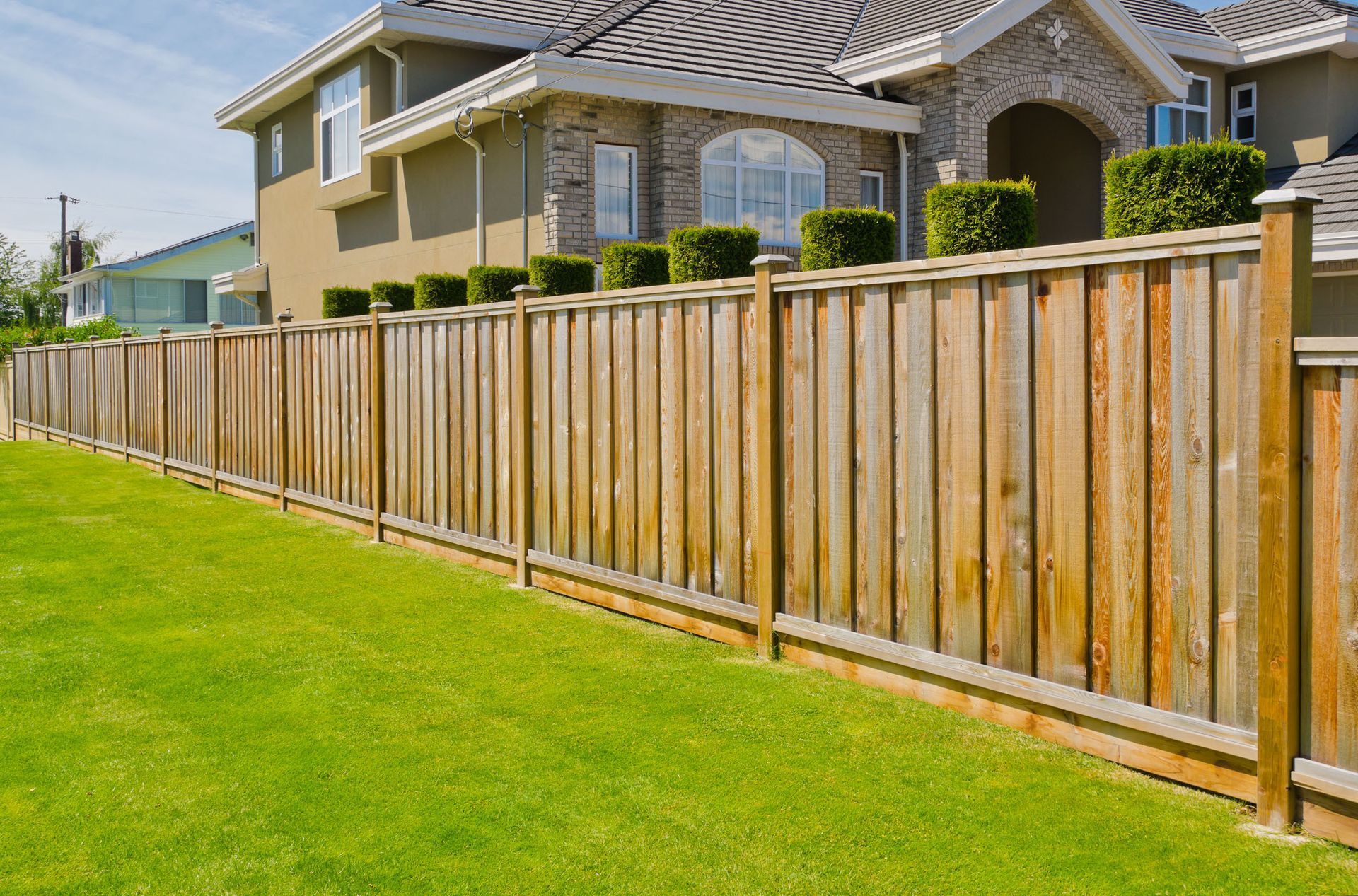
Wood has maintained its high status as a perennial favorite, cherished for its organic beauty and immense versatility. The timeless appeal of timber lies in its remarkable ability to match various architectural styles, from rustic designs to elegant estate borders. Its accessibility makes it an ideal choice for property owners seeking both functional privacy and a warm visual atmosphere.
Advancements in modern treatment processes have significantly enhanced the durability of these classic timber barriers. Pressure-treated options offer vital protection against the elements, extending the lifespan of the installation and reducing routine maintenance burdens. An experienced fence contractor frequently recommends treated materials to ensure a beautiful, long-lasting outdoor structure. These treatments successfully balance classic aesthetic traditions with contemporary property needs.
Timber installations continue to speak to a collective nostalgia, symbolizing pastoral retreats and classic suburban ideals. They remain a staple in residential spaces, providing crucial privacy while perfectly complementing custom landscaping goals. The wide range of customization possibilities, from rich color stains to specific decorative cuts, ensures that natural timber can effortlessly evolve with changing homeowner tastes and neighborhood guidelines.
Integrating Metal Options for Superior Strength
As urban environments expanded, the demand for highly durable and secure property solutions increased dramatically, popularizing metal designs. Classic wrought iron became synonymous with architectural sophistication and immense strength, recognizable by its ornate detailing and intricate scrollwork. This distinctive presence in historic cityscapes demonstrates a perfect marriage of elegant visual aesthetics and reliable utility for discerning property owners.
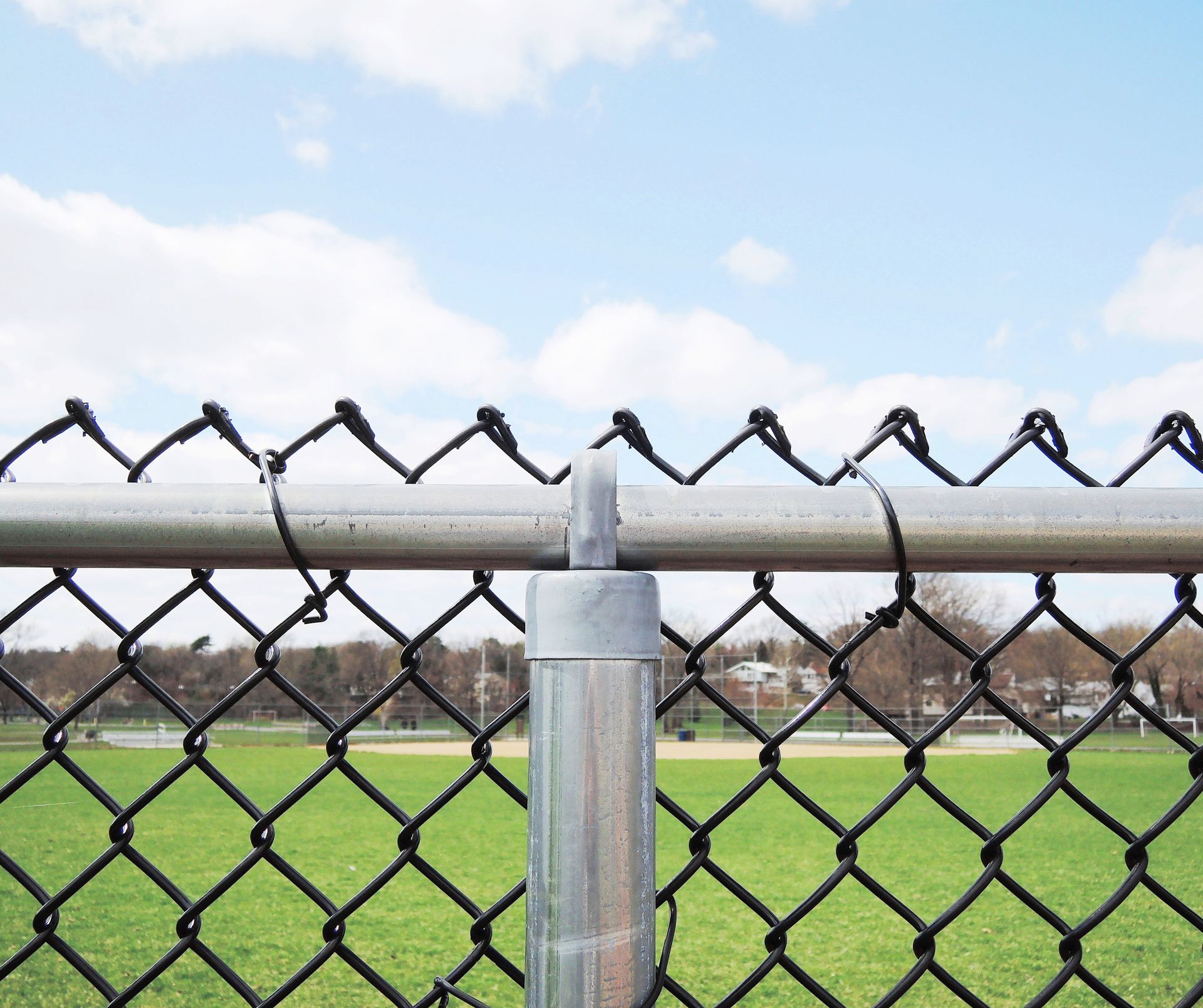
Modern steel panels further expanded on the wide appeal of metal, offering increased structural strength alongside noticeably reduced maintenance requirements. The practical advantages of steel allow it to be molded into various shapes, making it a popular choice for securing modern homes. With advanced powder-coated finishes, these robust structures withstand harsh environments without succumbing to rapid corrosion.
The metal revolution brought about by these heavy materials represents a deep respect for historical craftsmanship. Today, hybrid designs frequently combine the timeless aesthetics of classic iron with the modern practicality of lighter metals. A dedicated fence contractor can help navigate these diverse metal options to find the perfect fit for any specific security requirement. This legacy continues to shape dynamic urban environments.
Embracing Sustainable and Synthetic Material Choices
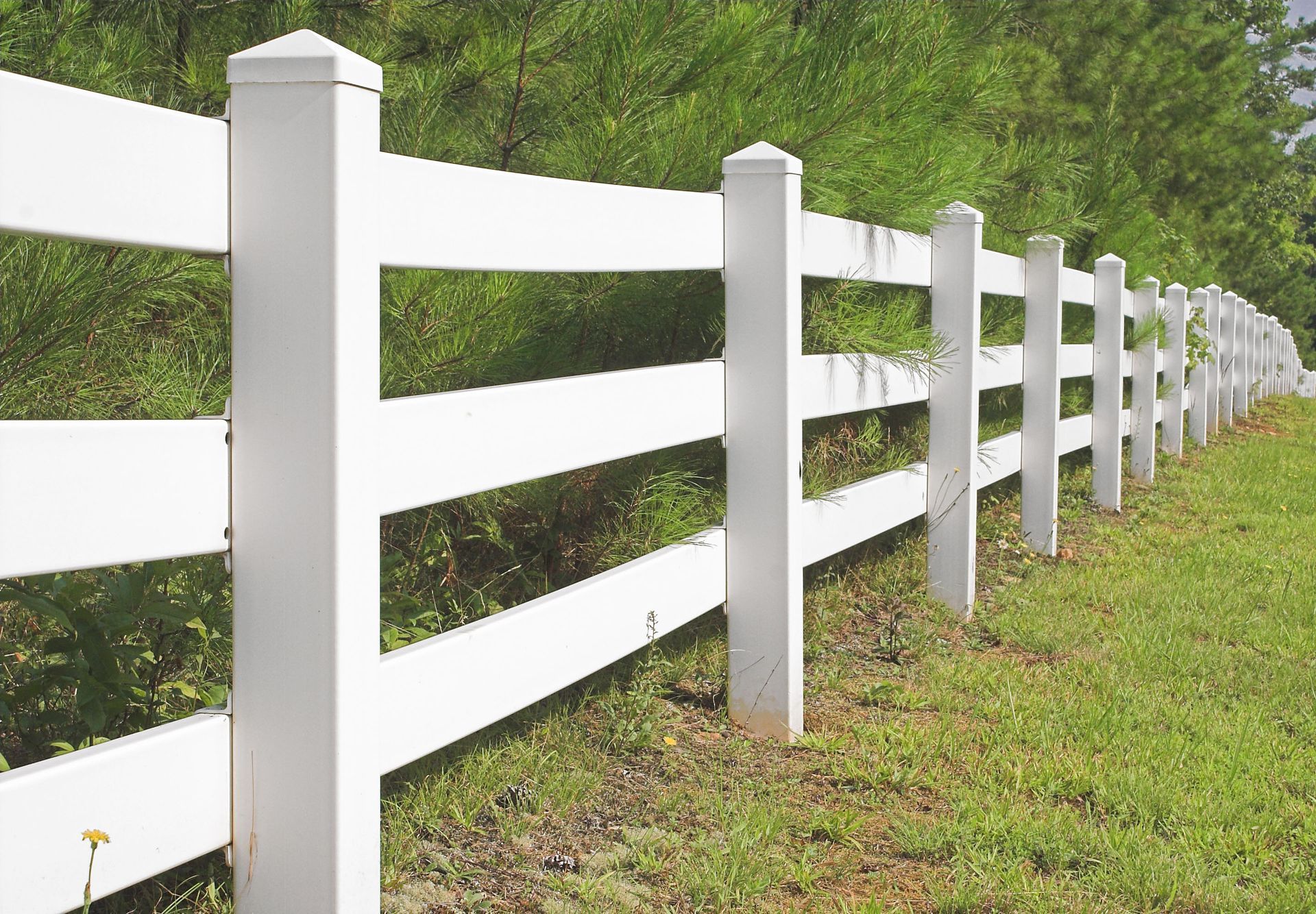
In recent years, synthetic options and composite materials have surged in popularity among modern homeowners. Driven by consumer desires for low-maintenance solutions, these engineered products beautifully mimic the visual appeal of traditional timber while offering superior environmental resilience. Vinyl products provide remarkable durability, retaining their pristine appearance without fading or warping under intense weather conditions over many seasons.
Composite materials represent another exciting frontier in the continuous evolution of residential property boundaries. These innovative products combine natural fibers with durable resins to balance the visual warmth of nature with advanced engineering. Composites remain highly resistant to rot and weathering, making them an excellent sustainable choice. A knowledgeable fence contractor will often highlight these synthetic options for eco-conscious clients.
The introduction of renewable resources like bamboo highlights a major paradigm shift toward environmentally friendly exterior design. Bamboo grows rapidly without needing replanting, providing a stout and reliable barrier that maintains its structural integrity. As cities and suburban communities prioritize sustainable living practices, these eco-friendly options continue to gain significant traction. This shift harmonizes practical homeowner needs with necessary environmental stewardship.
Reflecting Regional Tastes in Residential Boundaries
In modern residential neighborhoods, exterior styling beautifully reflects a blend of daily practicality, personal privacy, and aesthetic charm. Homeowners increasingly value strong security, prompting the rise of resilient materials and specific privacy structures. According to The Spruce, most individuals request a four- to six-foot-tall barrier for backyard areas to properly balance seclusion with aesthetic standards.
Within diverse urban and suburban environments, styling choices often incorporate contemporary elements to highlight individual identity. The wide diversity of materials available today caters to distinct requirements, ensuring that every home can achieve a unique yet cohesive look. A reliable fence contractor understands how to navigate local guidelines while delivering a customized product that suits the specific regional climate.
Integrating innovation without losing touch with neighborhood traditions, current designs mirror a societal transition toward blending indoor and outdoor living spaces. Minimalist approaches cater to a growing desire for seamless transitions between domestic comforts and natural yard settings. By partnering with a qualified fence contractor, property owners can effortlessly achieve this perfect harmony. The continuous evolution highlights a deep commitment to beautiful, functional homes.
The dynamic journey of property boundaries showcases a fascinating blend of history, culture, and material innovation. From ancient stone perimeters to modern composite panels, these structures have constantly adapted to meet shifting human needs. Selecting the right design requires careful consideration of both aesthetic preferences and practical durability. If you are ready to transform your property boundaries, we invite you to contact Powell Fence Company LLC today so we can begin planning your perfect installation.